
Training After Trauma
This Is Going to HurtThis flow tracks Kay’s transformation after a catastrophic birth and the increasingly defensive clinical decisions that follow.
increasing Bearing strength in each event
 decreasing
Bearing strength in each eventdecreasingThe Fatal Emergency
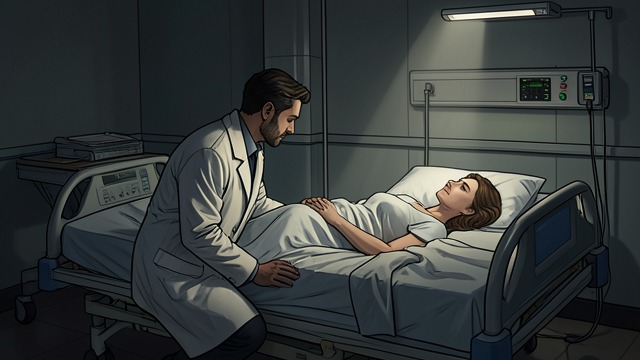
The Fatal Emergency
A difficult caesarean
A junior doctor begins an emergency caesarean for a baby in distress. When a large amount of blood appears, Kay takes over and discovers a serious underlying problem.
Two simultaneous dangers
The baby is dead, and the mother continues losing blood despite attempts to stop it. Kay holds her womb while waiting for senior help, confronting a crisis no single intervention can resolve.
The Womb Removed
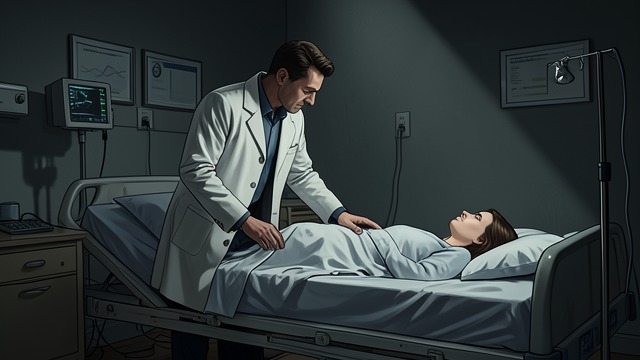
The Womb Removed
Escalating haemorrhage
The patient loses five litres of blood, and Kay’s boss cannot stop the bleeding. The most senior doctor arrives and removes the womb after the patient has lost twelve litres.
After the operation
The patient is moved to intensive care, and Kay is told to expect the worst. Instead of finishing his notes, he cries for an hour, unable to keep the emergency at professional distance.
Blame Without Error
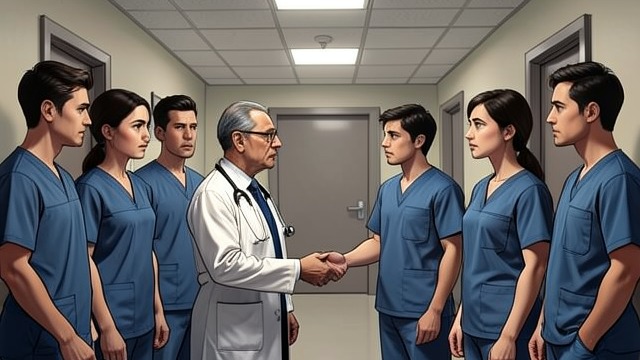
Blame Without Error
Reassurance from colleagues
Hospital staff tell Kay that he did nothing wrong and that other doctors would have made the same decisions. He is sent home for the rest of the shift.
A harsher private verdict
Kay cannot accept reassurance because he keeps imagining what might have changed the outcome. He experiences the event as a personal failure despite the absence of a rule broken or clear mistake.
Fearful Caesareans
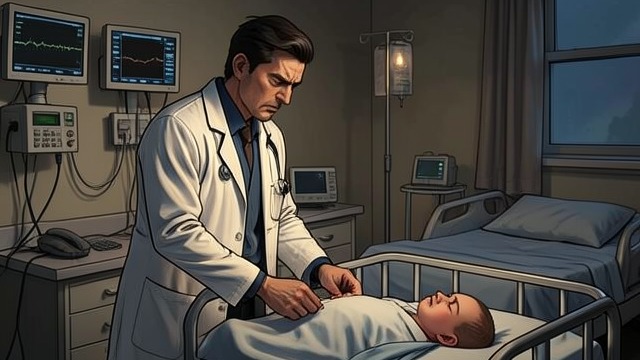
Fearful Caesareans
A changed threshold
Kay returns to work determined not to let another catastrophe happen. Even a slight fall in a baby’s heart rate now makes him consider a caesarean.
Prevention at a cost
He knows that this approach means some women will have operations they do not need. The terrible event has shifted his judgment from balancing risks to trying to eliminate the risk that frightens him most.
The Defensive Doctor
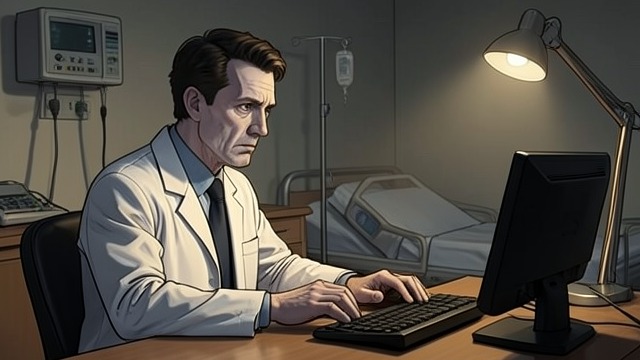
The Defensive Doctor
Risk aversion spreads
Kay begins to understand why senior doctors fear taking risks: past tragedies remain present in their decisions. He has adopted their defensive habits without actually processing his own distress.
Work without recovery
He does not laugh for six months, and his smiles feel false. His coping strategy protects him from another imagined failure only by narrowing the kind of doctor he can be.
5 December 2010
5 December 2010
The hours after 5 December 2010
The next day
The following six months
